
By Mark Baldock
A logistics element not capable of surviving and operating in a threat environment is a battlefield liability. Armies knew long before ‘multi-domain battle’ was developed that logistic capabilities are easy to identify, target and destroy. They are the soft underbelly of a fighting formation, and if a formations organic logistic elements are destroyed by indirect fires or direct attack, any combat forces remaining are usually quick to defeat. However, it is my opinion and experience that in order to ensure that the combat capabilities of formations receive due attention during exercises, we don’t tend to assess the ability of logistics elements to protect themselves. This risks lulling land forces into a false sense of security, when lessons from recent operations suggest we should be doing more to achieve the opposite.
During 2016, the logistic battalion I commanded – the 1st Combat Service Support Battalion (1 CSSB) – deployed to the Cultana Training Area in the desert of South Australia to participate in Exercise Hamel 2016. This annual exercise is conducted by the Australian Army to ‘certify’ the combat formation prior to it being declared ‘ready’ for operations. 1 CSSB, being the organic CSS battalion of the formation, was also being tested for its readiness to deploy. Although the unit was expected to meet different criteria before being declared ‘ready’, it was my opportunity to experiment and assess a variety of ways in which I could, within the constraints of the exercise, improve upon survivability of 1 CSSB. Moreover, it was an opportunity to consider ways in which a large, formation-level logistic unit, could sustain operations in a contemporary, albeit simulated, environment.
This article describes the methods I undertook to improve the battlefield survivability of 1 CSSB during Exercise Hamel 2016, and the consequences of these attempts. There were many exercise limitations that influenced my assessments, meaning that the observations I describe here are not exhaustive. However, I offer this example to describe my own opinion and experience, and to promote further discussion.
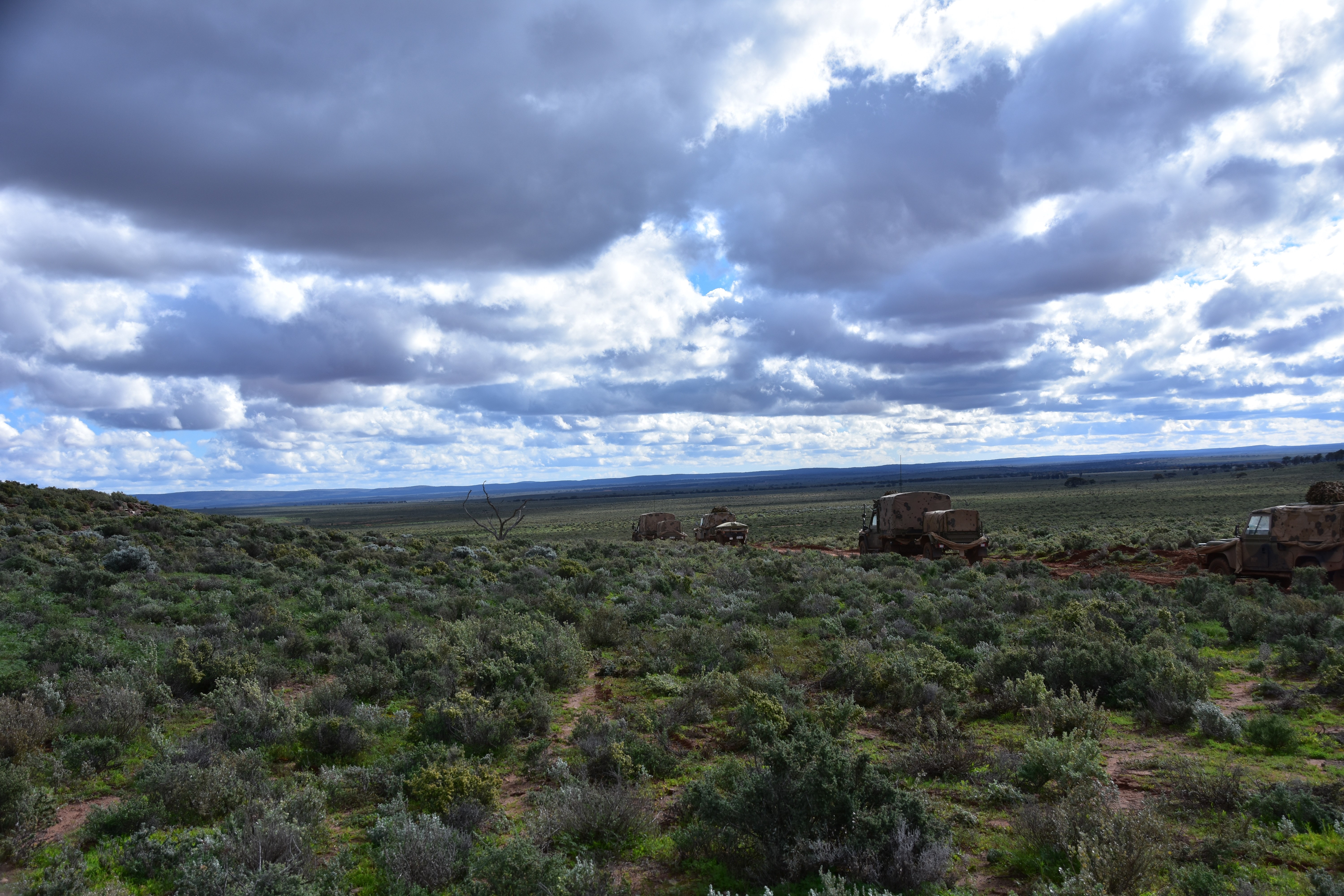
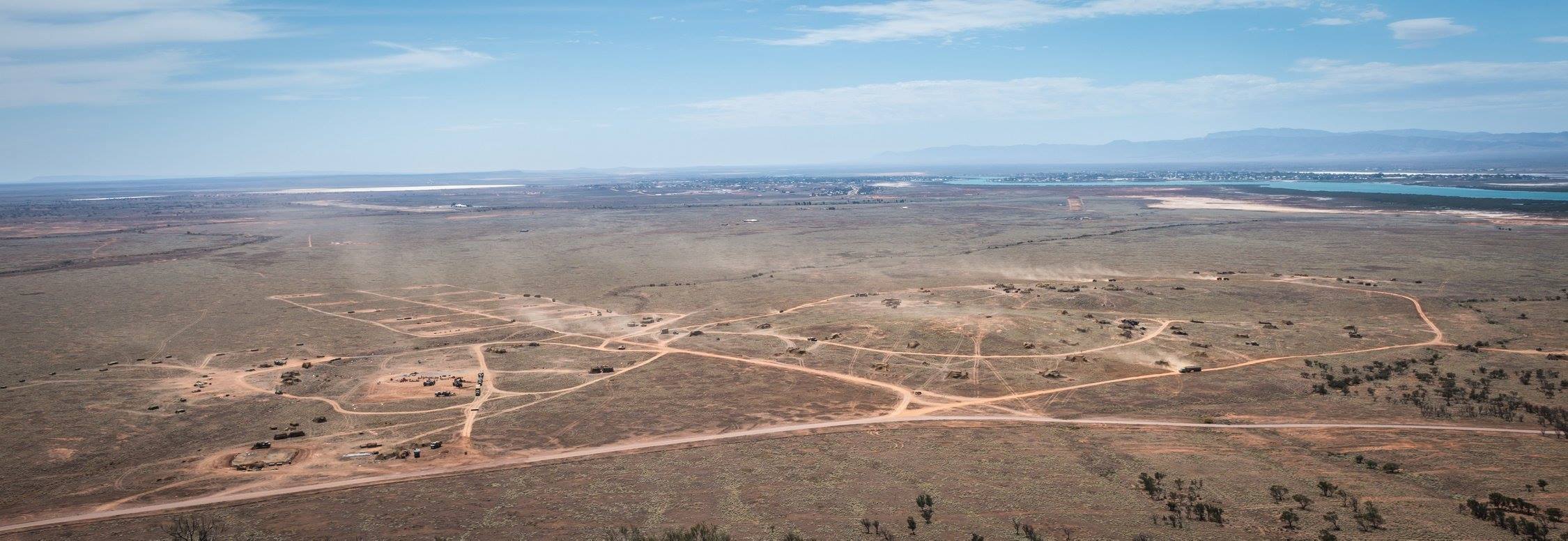
The philosophy for the training of the battalion before the exercise could be summarized as ‘survive first, sustain later’. However, it was a philosophy that I also applied to the force structure and disposition of the battalion during the exercise. After assessing the capability and intent of the enemy, it was assessed that the greatest threat to the unit’s overall survivability would be posed by indirect and aerial delivery weapons. Reducing the risk associated with this threat drove force posture, encouraging me to disperse my battalion by allocating forces forward. This approach was taken because the geography of Cultana Training Area was relatively small and sparsely vegetated; I had no opportunity to ‘hide’ the battalion. Furthermore, as a formation logistic unit sustaining front-line forces, my unit was well in range of expected enemy artillery. This meant that the unit was detectable and targetable by everything on the battlefield. In the end, survivability had more to do with risk management than any other factor.
Mobility and dispersion are key for logistic assets to survive on a battlefield where you cannot hide. Geography favored the enemy in this case as the terrain offered little concealment. Noting the unit’s signature and the ability of deep strike weapons and mobile artillery to close ground quicker than a CSSB can redeploy; smaller, more mobile, dispersed logistics nodes were created. Notice to move was reduced as much as possible, with my subordinate commanders needing to be prepared for short-notice movements to avoid threats. Extra resources were allocated, from the transportation elements I would normally hold within the main battalion position, if this could not be achieved.
In the end three smaller, mobile, CSS Teams (CSSTs) had been formed to support the three different battlegroups of the brigade. This is not an unusual practice as a CSSB always deployed a component of its capability forward to support combat forces more directly. However, the traditionally larger Brigade Maintenance Area (BMA)[1] position was dispersed and diluted amongst these CSST’s as much as possible. I believed that this still left the position too large, and a vulnerable target to the adversary. I never sought to reintegrate the forward CSST’s into my main battalion position for fear of exacerbating the problem and making the BMA even larger. This approach allowed for a loss of one of three logistic elements without critical impact on capability of the combat brigade. If either a CSST or the BMA were destroyed, the combat brigade could still be sustained for at least two to three days, meaning there would be opportunity to reallocate logistic elements.
Observations
The dispersal of logistic forces forward was effectively achieved. However, new problems had started to emerge; problems that should not be surprising to any logistic commander. The primary weakness of smaller, dispersed forces that I saw on exercise is that they became more vulnerable to direct attack and infiltration. Troop concentrations within the logistic element are reduced, and defensive weapons – typically in small numbers within a CSSB – were spread thinly. I was fortunate that extra weapon systems were reallocated across the brigade to overcome deficiencies, but the unit was still caught short on a number of instances. It was particularly vulnerable to direct attacks by enemy cavalry who could exploit the defensive ‘gaps’ created by dispersal. This led me to believe that for dispersion to work effectively, each logistic element had to be well-resourced with equipment (especially weapons), communications and transportation capabilities to enable movement from the outset.
Although dispersal introduced its own vulnerabilities, there was no mission failed by a battlegroup or the brigade because of a failure in its sustainment. On the contrary, the dispersion of the battalion enhanced the responsiveness of the formations logistic system because the lines of communication were usually short. Similarly, as robust teams were force-assigned to battlegroups, the combat forces were well resourced to be able to complete their assigned missions and tasks. My decision to focus on allocating forces to the battlegroups, however, meant that it was particularly difficult to concentrate my battalion’s capabilities for specific brigade level tasks. I suspect that this might have become a significant problem for the combat brigade had the notional operation continued longer than it did, or if the brigade had conduct major combat maneuvers.
I found that the success of a dispersed, mobile model hinges on foresight and responsiveness. Foresight naturally drives the responsiveness. It requiring logisticians to understand the how the combat force might maneuver and have the administrative proficiency to determine what their requirements might be Furthermore, foresight is greatly enhanced by effective communication within the formation. This includes routine reports and returns and also direct liaison with combat elements and other logistic units. Similarly, where communications are of a poor standard the ability to apply foresight becomes limited; in some instances, I had to overcompensate when assigning logistic elements to battlegroups because it was extremely difficult to predict their exact requirements. TThe high pace at which combat battlegroups reorganised during the exercise led to erratic sustainment requirements, and negatively influenced the CSSB’s capacity to apply foresight.
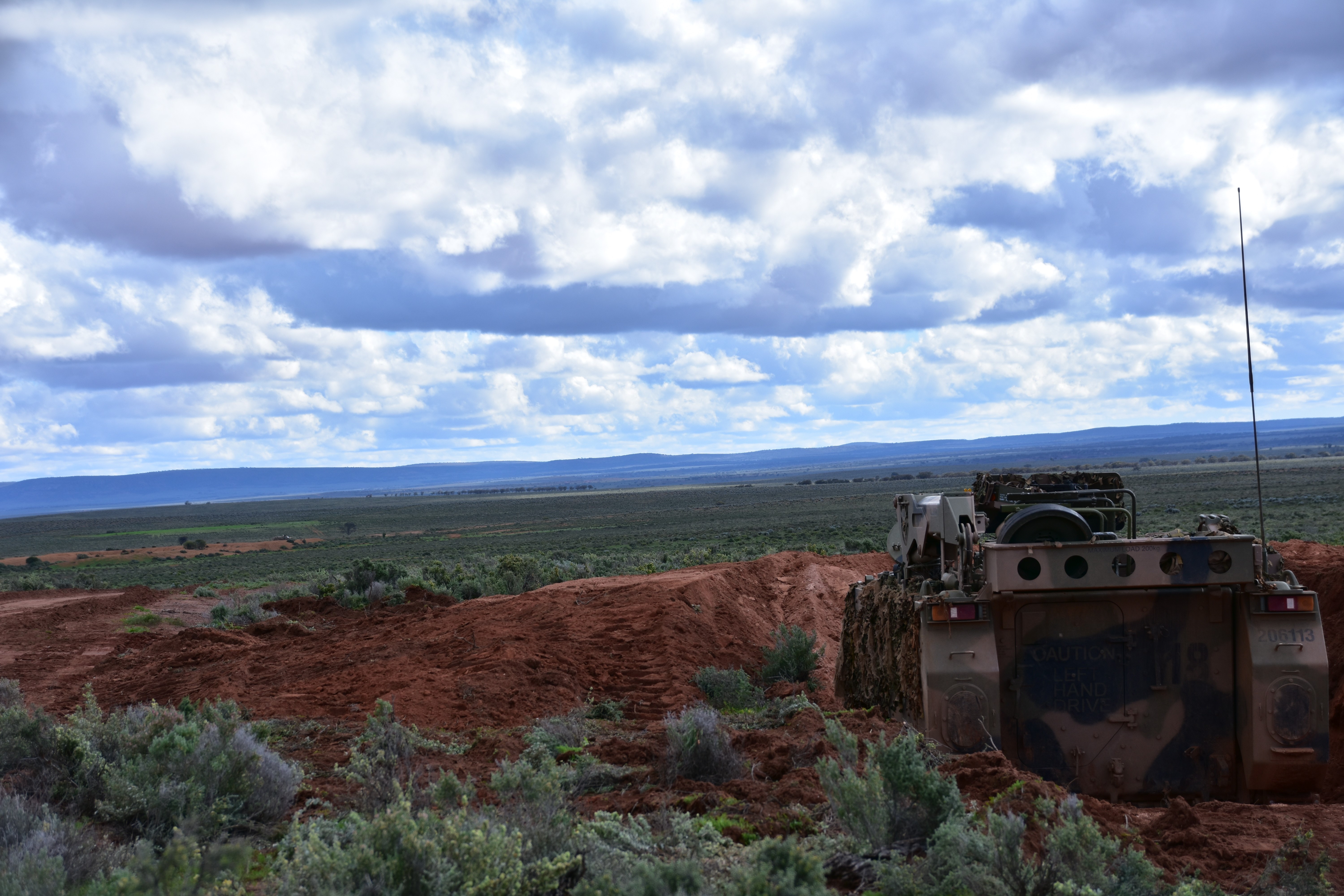
Foresight and responsiveness are at their heart command and control issues, and are improved by measures all military logisticians should be familiar with. Although the application of ‘mission command’ led to good outcomes, simple things such as accuracy in reports and returns, staff ‘battle-tracking,’ monitoring of the maneuver of other units within the brigade, routine communication and planning, as well as effective liaison between units within the combat brigade make a bigger difference. Control measures were especially important when the brigade maneuvered rapidly, with logistic forces dispersing across the battlefield. This includes control of routes and locations, ensuring that all logistic elements weren’t moving at the same time, and enforcing greater input from Brigade to better understand friendly force movements. In the long term, new technologies and improved ‘battlefield operating pictures’ may improve the situation. Although I may have left Exercise Hamel 2016 with the view that dispersing logistic elements in an area of operations without compromising operations was challenging, the application of relatively simple tactics, techniques and procedures did much to overcome problems.
Logistic units, particularly at the formation level, shouldn’t expect to be operating as a massed capability kept well out of range of enemy threats, especially artillery. I think that is now, and probably always has been, an impossibility on the battlefield. Instead, logistic personnel must learn to operate in an area of considerable threat, and they must be prepared to take acceptable risks to ensure battlefield survivability. This should continue to be a major focus of unit and formation level collective training exercises. Smaller, disaggregated, mobile logistic forces reduce detection signatures and lessen the payoff associated with targeting larger logistic positions, bases and ‘nodes’. I am glad that I was given an opportunity to experiment with ideas that have been discussed among logisticians in my Army for many years, and to challenge doctrine and procedures that applied rigidly. This opportunity created considerable challenges for my logistic battalion, but the lessons learned were useful. With ongoing refinement, and further investment in terms of collective training activities, I think logisticians will be well on the path to finding effective ways to survive in the forward areas of the contemporary battlefield.
[1] The Brigade Maintenance Area is the ground on which the concentrated assets of the unit occupies. It is rearward positioned, and the primary logistic ‘node’ for the combat brigade.
Mark Baldock is a serving Australian Army officer, and commanded the 1st Combat Service Support Battalion over the period 2015-2016. The thoughts here are his own, and are offered to stimulate conversation and debate.
Logistics In War is looking for similar articles which examine how military logistics is applied on operations or exercises; if you feel you can contribute to the discussion, please contact us on the link above. Follow us at Twitter: @logisticsinwar and Facebook : @logisticsinwar. Share to grow the network and continue the discussion.


 The Paper War: Logistics... and everything but the fighting.
Leave a comment