logisticsinwar
-
Transforming the Australian Army’s logistics
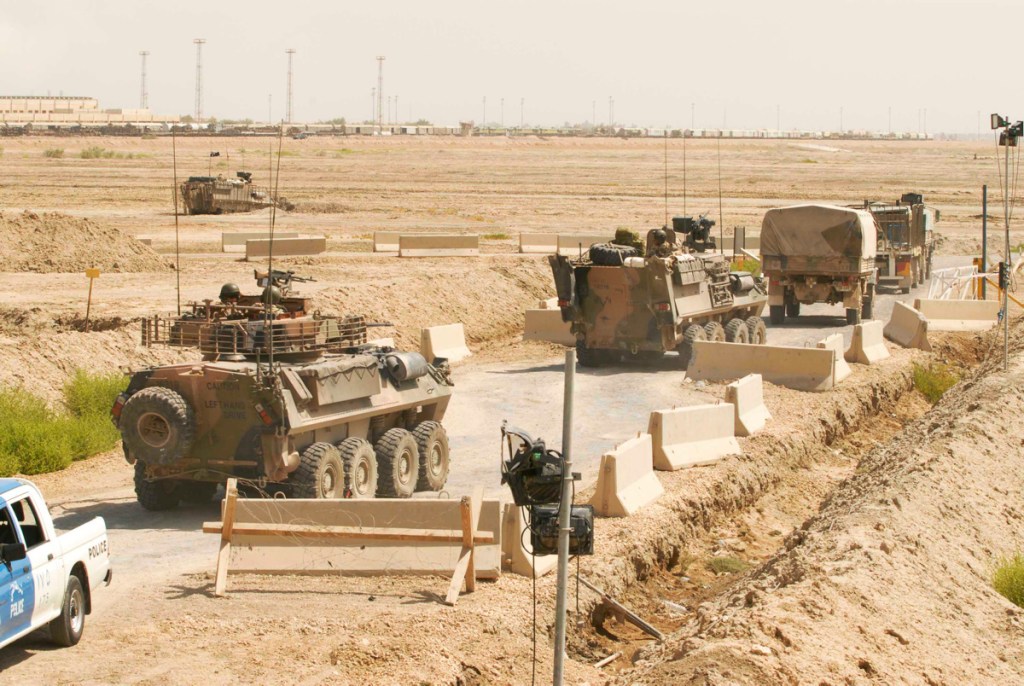
By David Beaumont. Some may recall from earlier posts on ‘Logistics In War’ that in late 2016, the Chief of the Australian Army, Lieutenant General Angus Campbell, challenged the senior logisticians of the Australian Army to ‘revolutionise’ Army’s logistics. This… Continue reading
-
Learning and training to get it right – what environment are we preparing Army logisticians for?
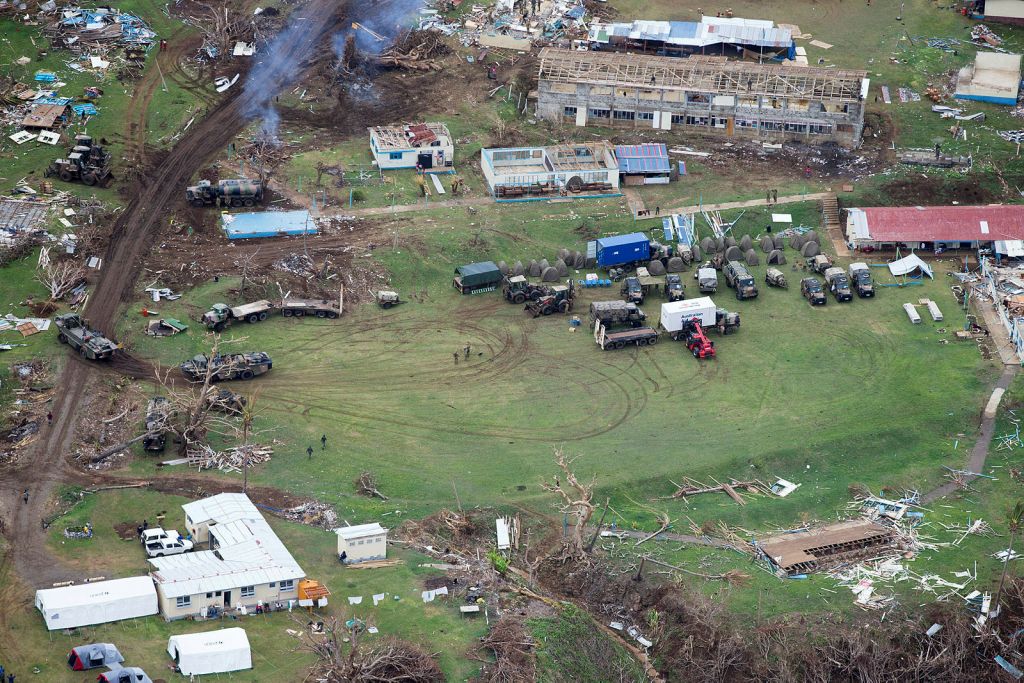
By Michael Lane. It has been said that origins of modern logistics were adopted from the military. This implies that at some point in time military logisticians were the leaders in logistics thinking and by extension logistics training. However, where… Continue reading
-
The ‘Headquarters Snowball’
By David Beaumont. The scale of logistics and the size of headquarters are routinely considered alongside one another because of the belief that smaller headquarters and logistics forces means more combat troops and, more importantly, efficient processes. This can be… Continue reading

-
Surviving your time as a military logistician
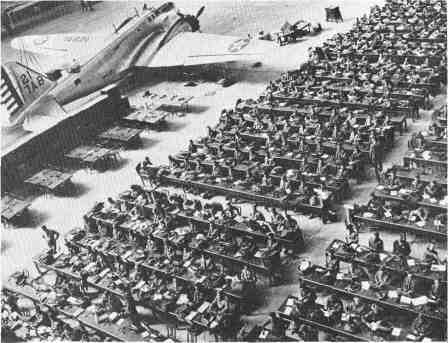
by Hayden Marshall It is no wonder that logisticians are regarded as a humourless bunch for they have spent many years living in fear of Alexander the Great’s wrath (and his successors) that famously declared that the logisticians would be… Continue reading
-
From the ‘swamp’ to the ‘high-ground’ and back – educating logisticians to operate in complexity: Part Two
By Dr. Chris Paparone and George L. Topic In part one of ‘From the swamp to the high-ground and back’, Chris Paparone and George Topic questioned the methodology applied to the education of military logisticians. In concluding part one, it… Continue reading

-
From the ‘swamp’ to the ‘high-ground’ and back – educating logisticians to operate in complexity: Part One
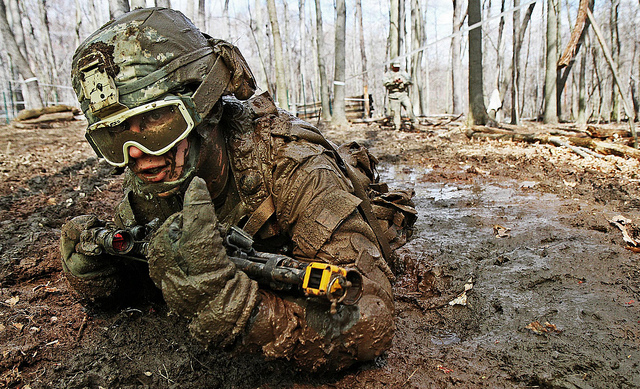
By Dr. Chris Paparone and George L. Topic The difficulty and complexity of the post-industrial military profession at all levels is so profound and widely recognized that it is almost cliché to mention. This is true for all specialties, but… Continue reading
-
Commercial acumen – the missing link in the training of ADF logisticians: Part Two
By Carney Elias. In an earlier post, I argued that Defence must become better at developing commercial acumen in logisticians. This assertion was made on the basis of my experiences within the Australian Army. In keeping with the fundamental principles… Continue reading
-
Commercial acumen – the missing link in the training of ADF logisticians: Part One
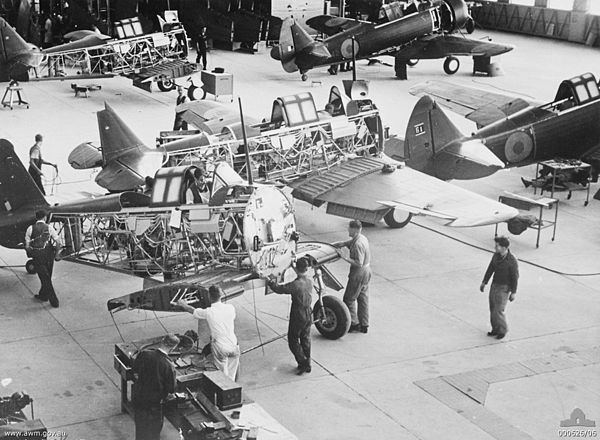
By Carney Elias. ‘[T]he procurement process itself is a weapon of war no less significant than the guns, the airplanes, and the rockets turned out by the arsenals of democracy.’ I.B. Holley[1] The 2015 edition of the Macquarie Dictionary defines… Continue reading
-
The trust deficit – why do we expect logistics to fail us?
By Gabrielle M. Follett. Trust. The willingness of a party to be vulnerable to the actions of another party based on the expectation that the other will perform a particular action important to the trustor, irrespective of the ability of… Continue reading
-
Call for submissions – Creating the ‘Future Logistician’
Originally posted on The Paper War: Logistics… and everything but the fighting.: “Transforming those force projection and sustainment processes cannot be done without competent and dedicated military and civil service logisticians to manage the changes and the processes. DoD must… Continue reading

 The Paper War: Logistics... and everything but the fighting.