logisticsinwar
-
Technology and what lies beneath – the full cost of modernisation
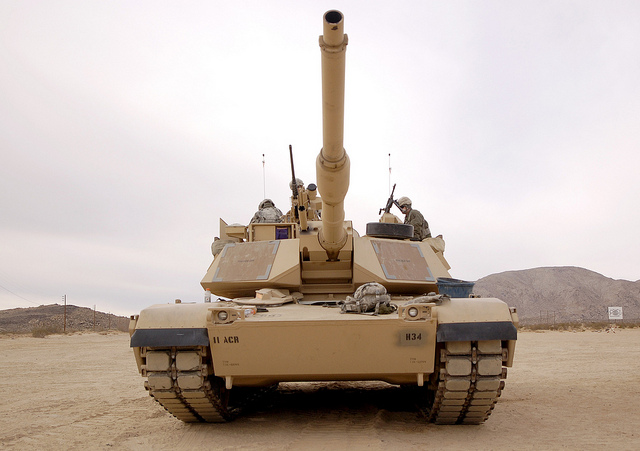
By David Beaumont. You needn’t venture far to find an article or military concept which in some way promotes technology and capability modernisation as a means of addressing the next, albeit hypothesised, battlefield challenge. Great advances in robotics and automation,… Continue reading
-
Intellectual irrelevance and the ownership of military logistics
By David Beaumont. This post is an update of a popular post from the #LIWArchives. The professionalisation of logisticians is a topic that has once again emerged, as strategic-level organisations in a number of different militaries seek to improve, and… Continue reading

-
Tyranny of the Easy Button: Finding Balance Between Contract & Organic Logistics
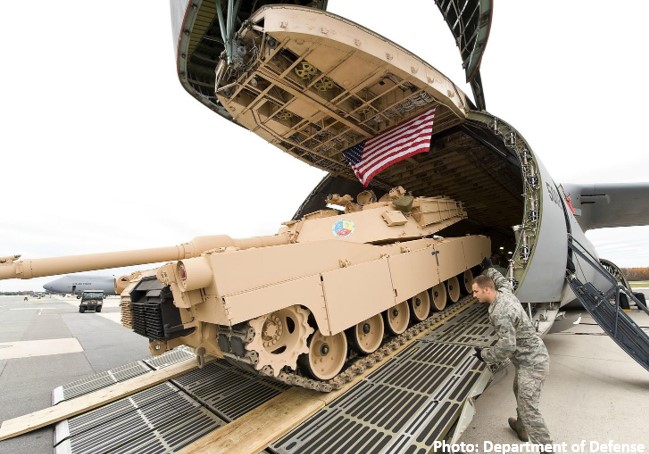
By Jessica McCarthy. This article was prepared in collaboration with ‘Over The Horizon: Multi-domain operations and strategies’, a blog which asks the question, ‘what comes after the Joint and inter-agency constructs?’ A great site containing forward-thinking articles examining the character… Continue reading
-
Call for authors – exercising, joint logistics and the strategic level of war
Joint operations is not a new concept, nor is joint logistics. Militaries have been integrating the resources of two or more Services, and other supporting agencies, to maximise their combat potential and operational performance since ancient times. Over the last… Continue reading
-
The roots of readiness – the six logistics factors shaping strategic choice
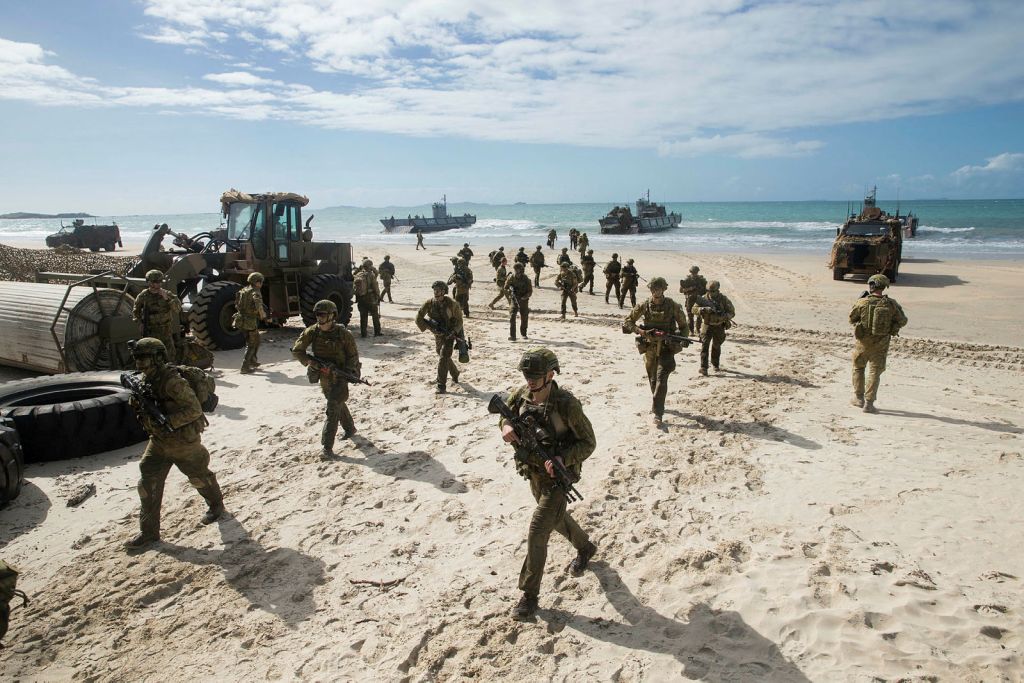
By David Beaumont. When we think of readiness, we tend to confuse it with preparedness terms such as a ‘notice to move’. However, it is common to find that despite a unit being well within its designated ‘notice’ when time… Continue reading

-
Organising logistics for Multi-Domain Battle: Making a Complex Problem Even More Complex
This article was prepared as part of a collaboration with ‘Over The Horizon: Multi-domain operations and strategies’, a blog which asks the question, ‘what comes after the Joint and inter-agency constructs?’ The article can also be found here. If you… Continue reading

-
‘Cunctator’ Part 2: Siege warfare and the logistics of resistance – lessons from Croatia and Iraq
By Erik A. Claessen. This post continues from ‘Cunctator’ – Logistics, hostile environments and war in cities. In 2006 – three years into Operation Iraqi Freedom – the US Army recognised: “People support the source that meets their needs.”[1] This was a… Continue reading

-
Lessons in logistic transformation and a new agenda for change
By David Beaumont. This post concludes the ‘Transforming the Australian Army’s logistics’ series, and is an abridged extract from a larger paper. Over a series of articles, I have outlined a basic history of change with respect to logistics in… Continue reading

-
Transforming the Australian Army’s logistics – a new expedition, and new expectations
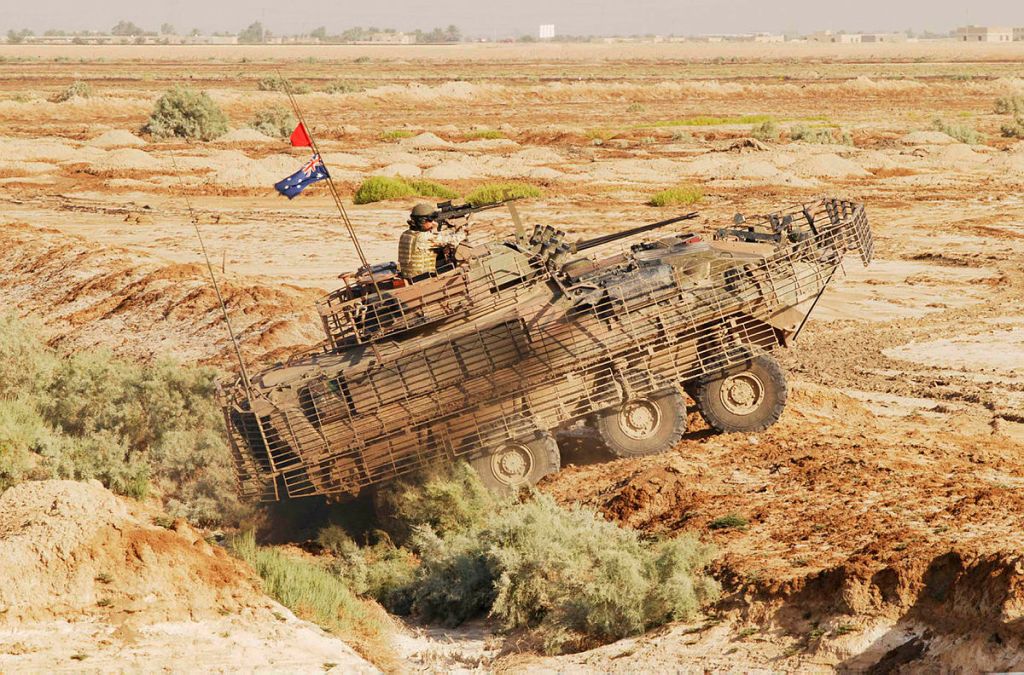
By David Beaumont. This post continues the ‘Transforming the Australian Army’s logistics’ series, and is an abridged extract from a larger paper. The operations in East Timor are commonly seen to be a litmus test of Army’s logistic capability, and… Continue reading
-
Transforming the Australian Army’s logistics – sustaining INTERFET
‘In the past the Australian armed forces have not had to invest in substantial deployable logistic capabilities. Our forces have relied upon major allies such as the US and Britain. The logistic support for INTERFET was magnificent, but sustainment was… Continue reading
 The Paper War: Logistics... and everything but the fighting.